# Japanese Tea Culture: The History and Meaning Behind the Matcha Ritual
Long before matcha became a café menu staple or a favorite latte flavor, it was something far more sacred — a quiet, deliberate practice rooted in centuries of Japanese tradition. To really understand **[Matcha](https://mypekoe.com/collections/matcha)**, you have to look past the trend and into the history that shaped it.
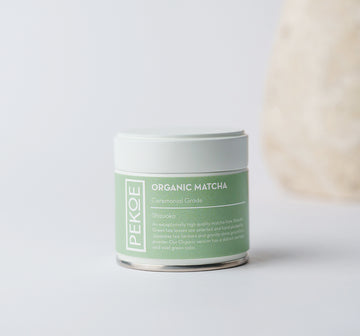
Tea specialists who work closely with Japanese matcha, like Pekoe, often describe it not just as a beverage but as a living piece of culture — one that carries meaning in every step, from the way the leaves are grown to the way the bowl is held.
## Where It All Began
Tea arrived in Japan from China around the 9th century, brought back by Buddhist monks who had traveled abroad to study. At first, tea was reserved almost exclusively for religious ceremonies and the aristocracy, valued as much for its rarity as for its calming effects during long hours of meditation.
It wasn't until the 12th century that matcha, specifically, took root in Japan. The monk Eisai is widely credited with introducing powdered **[Green Tea](https://mypekoe.com/collections/green-tea)** and popularizing its use among Zen Buddhist monks, who found that it helped them stay alert and focused during meditation. From there, matcha slowly moved beyond the monastery walls and into the lives of samurai, nobles, and eventually the wider public.
## The Birth of the Tea Ceremony
By the 16th century, matcha had evolved into something much more structured — the Japanese tea ceremony, or "chanoyu," meaning "the way of tea." This transformation is largely credited to Sen no Rikyū, a tea master whose philosophy shaped the ceremony into the refined, intentional practice it remains today.
Rikyū built the ceremony around four core principles: harmony, respect, purity, and tranquility. Every motion in the ceremony — from the way water is poured to the way the bowl is turned before drinking — is designed to slow the mind down and bring full attention to the present moment. Nothing is rushed. Nothing is accidental.
This is where matcha's meaning really deepens. It was never just about drinking tea; it was about creating a shared space of stillness, respect, and connection between host and guest.
## The Ritual Itself
A traditional matcha preparation follows a precise, almost meditative sequence. Ceremonial-grade matcha is sifted to remove any clumps, then a small amount is placed into a chawan (tea bowl). Hot water — kept just below boiling to protect the delicate flavor — is added, and a bamboo whisk called a chasen is used to whisk the matcha in quick, light strokes until a fine layer of froth forms on top.
Every tool matters. The chasen, the chashaku (bamboo scoop), the chawan itself — each one is chosen with care, and in formal ceremonies, guests are even encouraged to appreciate the bowl's craftsmanship before drinking. It's a practice built entirely around mindfulness, patience, and appreciation for small, deliberate details.
This is part of why Pekoe places such importance on sourcing ceremonial matcha from regions like Kagoshima and Shizuoka — places where this centuries-old craft is still honored, and where the shading, harvesting, and stone-grinding process is done the traditional way rather than rushed for mass production.
## Why the Ritual Still Matters Today
In a world that moves fast, the matcha ritual offers something increasingly rare — a reason to slow down. Even outside a formal tea ceremony, many people now bring elements of this ritual into their own mornings: whisking matcha by hand instead of using a blender, taking a few quiet minutes before the day begins, treating the process as a small act of care rather than just another task.
That's really the heart of Japanese tea culture — the idea that how you do something matters just as much as what you're doing. A cup of matcha, prepared with intention, becomes less about caffeine and more about presence.
## Bringing the Tradition Home
You don't need a full tea ceremony to experience a piece of this tradition. A quiet morning, a good bowl, and properly sourced ceremonial matcha are enough to bring a little of that centuries-old mindfulness into everyday life.
Pekoe's matcha collection, sourced directly from Japan's most respected growing regions, is built with exactly this in mind — giving people a way to connect with an authentic ritual, one cup at a time.
For more information
TikTok: **[mypekoe](https://www.tiktok.com/@mypekoe)**
Instagram: **[mypekoe](https://www.instagram.com/mypekoe/)**
Facebook: **[mypekoe](https://www.facebook.com/mypekoe/[](https://))**